
-
Regular price From £2Regular price
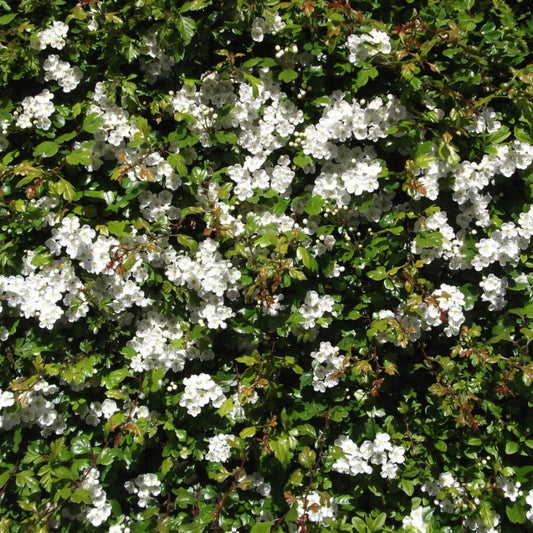
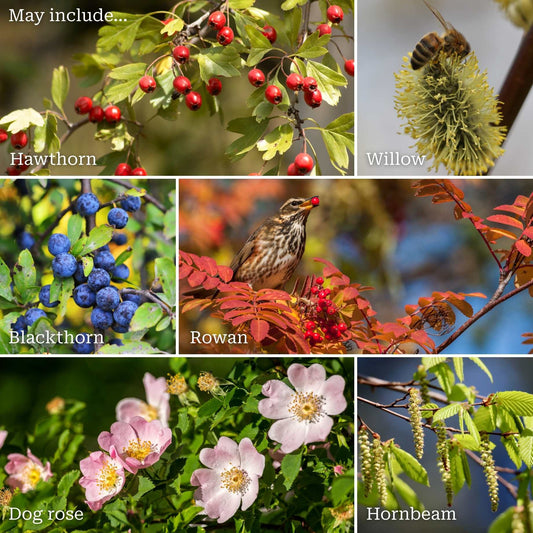
£5Sale price From £2Common Hawthorn Hedging | Crataegus monogyna
Supports over 150 wildlife species
- Scented spring blossom & autumn fruits
- Loved by bees and nesting birds
- Fast growth rate - 40-60cm per year
- Grows up to 8m or keep trimmed at 1-5m
2 options available
-
Regular price From £25Regular price
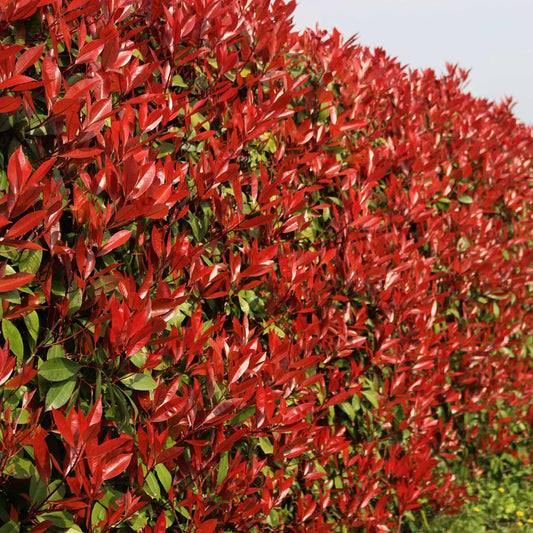
£30Sale price From £25Photinia 'Red Robin'
Award winning fiery red foliage
- Glossy red evergreen leaves mature to green
- Brightens borders year round
- Average growth rate - 20-40cm per year
- Grows up to 4m or keep trimmed at 1-4m
1 option available
-
Regular price From £3Regular price
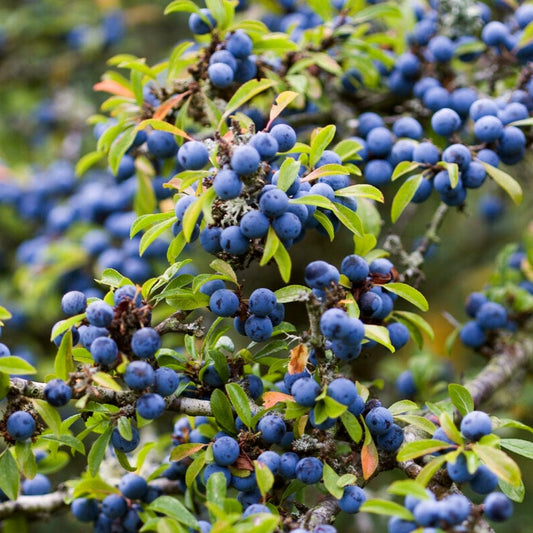
£4Sale price From £3Blackthorn Hedging | Prunus spinosa
The perfect natural security
- White blossom, bushy foliage and edible sloes
- Great for pollinators and nesting birds
- Fast growth rate - 40-60cm per year
- Grows up to 4m or keep trimmed at 1-4m
2 options available
-
Regular price £4Regular price
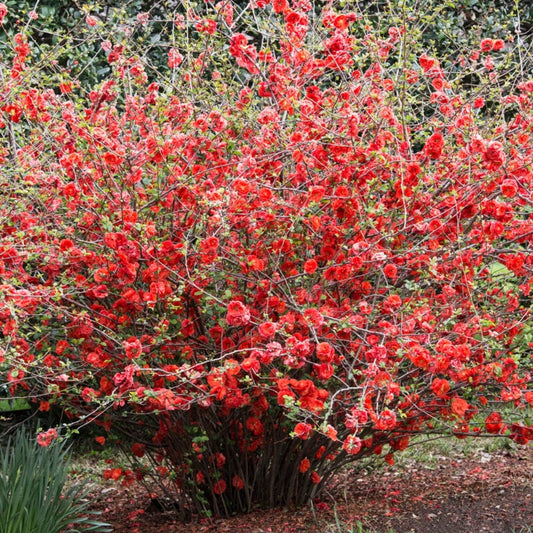
£8Sale price £4Japanese Quince Hedging | Chaenomeles japonica
Come for flowers, stay for fruit
- Glossy foliage and cup-shaped red flowers
- Harvest summer quinces for jelly
- Fast growth rate - 30-60cm per year
- Grows up to 1.5m
1 option available
-
Regular price From £3Regular price
£7Sale price From £3Red-Stemmed Dogwood Hedging | Cornus alba
Paint the garden red
- Bright crimson stems & creamy spring blooms
- Add winter colour and interest
- Fast growth rate - 40-60cm per year
- Grows up to 3m or keep trimmed at 1-3m
Currently out of stock
-
Regular price From £45Regular price
£60Sale price From £45Best Mixed Native Wildlife Hedging | Growers' Choice
An ecological haven
- Packed with colour, flowers & fruit
- Food and shelter for insects, birds & mammals
- UK native varieties handpicked by our grower
- Hardy and easy to maintain
4 options available
-
Regular price From £40Regular price
£45Sale price From £40Golden Bells | Forsythia intermedia 'Spectabilis'
Heralds the start of spring
- Bright, bushy shrub
- Medium shrub - grows up to 3m
- Profusion of golden flowers in early spring
- Amongst the most vibrant blooms you'll see
1 option available
-
Regular price From £3Regular price
£4Sale price From £3Cherry Plum Hedging | Prunus cerasifera
Blossom-rich, fruiting hedge
- Dense & thorny with abundant white flowers
- Harvest tasty little plums for jam
- Average growth rate - 20-40cm per year
- Grows up to 5m or keep trimmed at 1-5m
1 option available
-
Regular price From £4Regular price
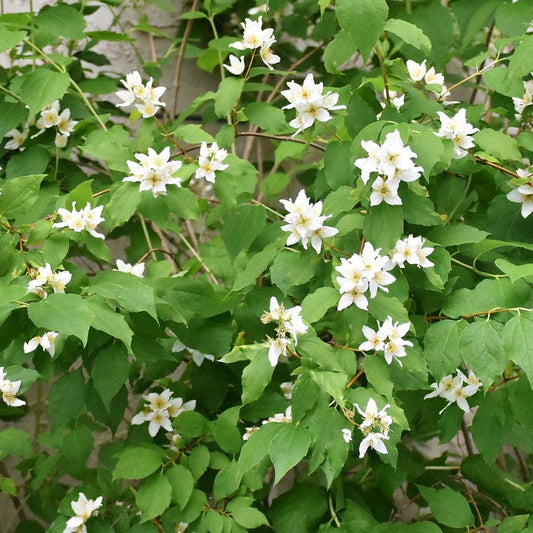
£6Sale price From £4Mock Orange Hedging | Philadelphus 'Virginal'
Our choice for fragrance
- Double white, orange blossom scented flowers
- Create an informal, billowing hedge
- Average growth rate - 20-40cm per year
- Grows up to 3m or keep trimmed at 1-3m
1 option available
-
Regular price From £6Regular price
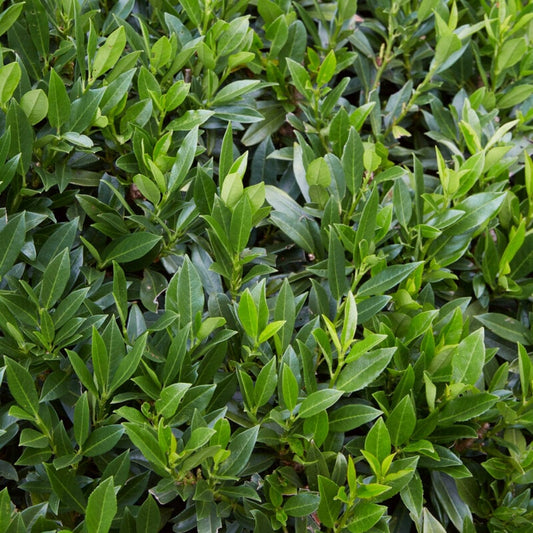
£10Sale price From £6Cherry Laurel Hedging | Prunus laurocerasus 'Rotundifolia'
Vibrant screening hedge
- Glossy evergreen foliage
- Laughs in the face of neighbour noise
- Fast growth rate - 30-60cm per year
- Grows up to 8m or keep trimmed at 1-5m
9 options available
-
Regular price From £4Regular price
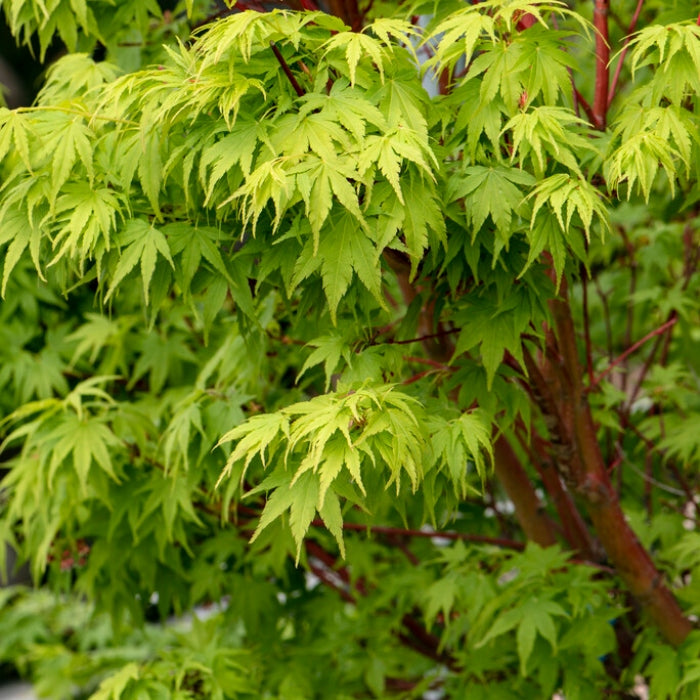
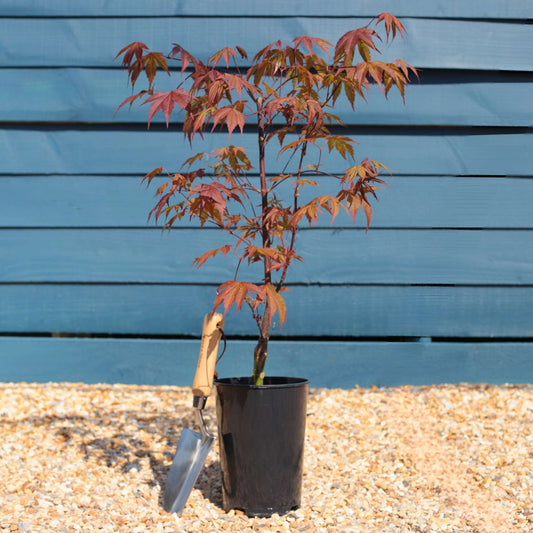
£6Sale price From £4Japanese Maple Hedging | Acer palmatum
Graceful and colourful
- Delicate foliage with warm autumn hues
- Grow as a specimen or relaxed border
- Slow growth rate - up to 30cm per year
- Grows up to 5m or keep trimmed at 1-5m
2 options available
-
Regular price From £4Regular price Sale price From £4
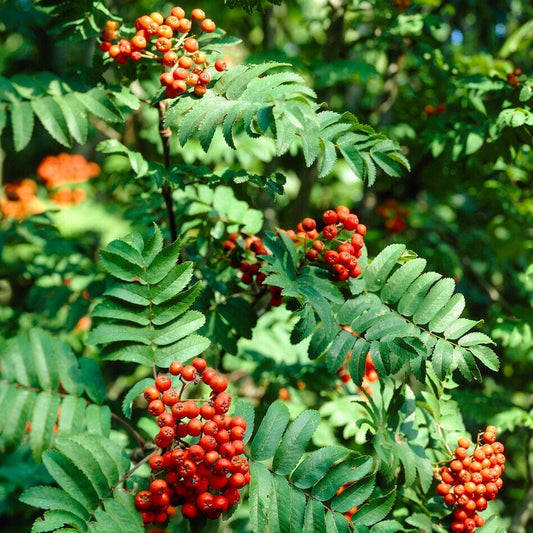
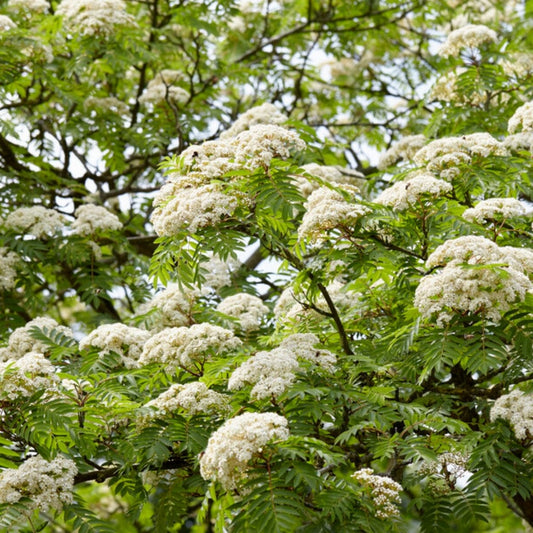
Rowan Hedging | Mountain Ash | Sorbus aucuparia
Wildlife-boosting native
- White flowers and vibrant autumn foliage
- Sprays of winter berries for birds
- Average growth rate - 20-40cm per year
- Grows up to 5m or keep trimmed at 1-5m
3 options available
-
Regular price £3Regular price
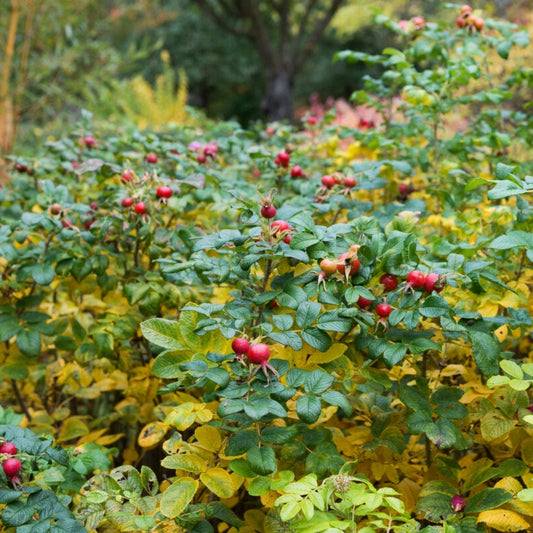
£4Sale price £3Red Japanese Rose Hedging | Rosa rugosa
Big impact from a compact hedge
- Large, scented pink roses all summer
- Thrives even in coastal, exposed areas
- Average growth rate - 20-40cm per year
- Grows up to 1m
1 option available
-
Regular price From £3Regular price
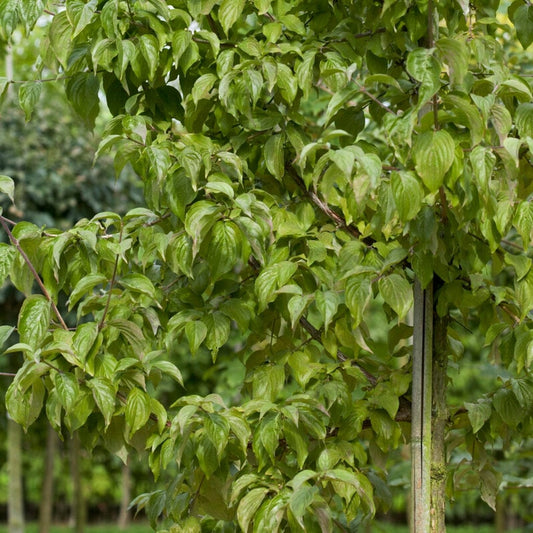
£5Sale price From £3Cherry Dogwood Hedging | Cornus mas
Sunshine in February
- Yellow flowers, red berries & autumn colour
- Colour, impact & wildlife all year
- Fast growth rate - 40-60cm per year
- Grows up to 5m or keep trimmed at 1-5m
2 options available
-
Regular price From £40Regular price
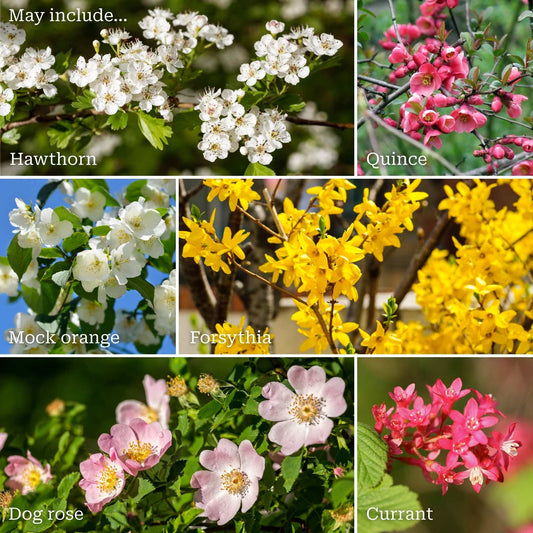
£60Sale price From £40The Ultimate Flowering Hedge
A floral tapestry
- Masses of colourful and fragrant blooms
- An oasis for pollinators
- Premium varieties handpicked by our grower
- Easy to plant and prune
2 options available
-
Regular price £4Regular price
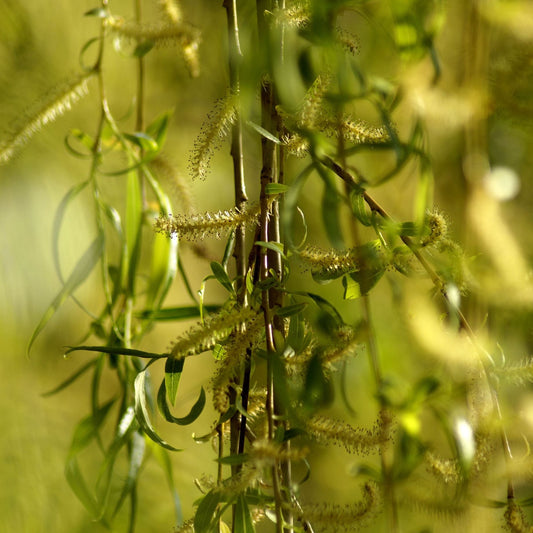
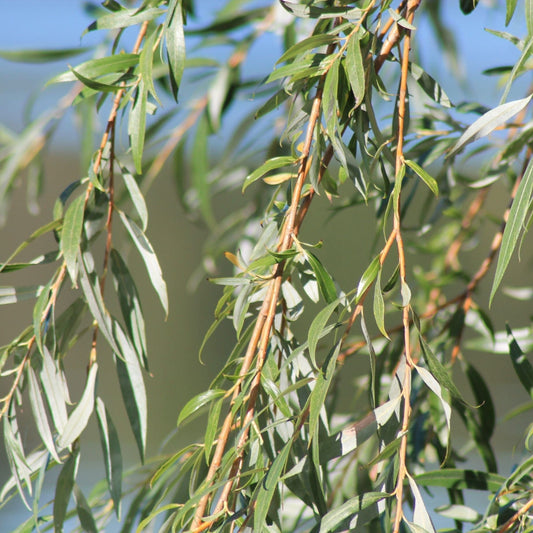
£5Sale price £4Golden Weeping Willow Hedging | Salix 'Chrysocoma'
Shady summer screening
- Sweeping golden stems and showy foliage
- RHS Award of Golden Merit
- Average growth rate - 20-40cm per year
- Grows up to 8m or keep trimmed at 1-5m
1 option available
-
Regular price From £10Regular price Sale price From £10
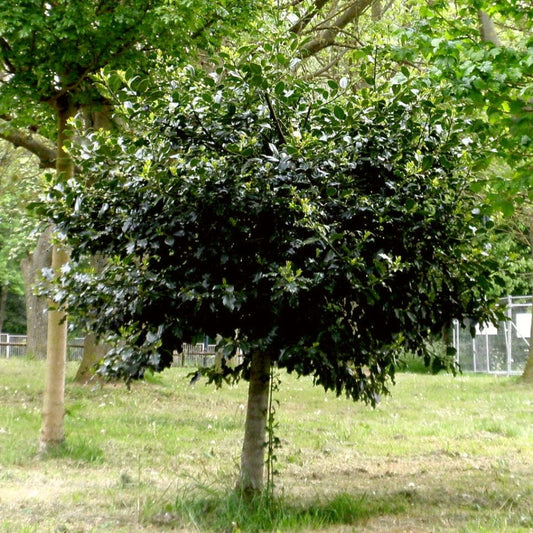
English Holly | Ilex aquifolium
A festive British icon
- Beautifully bushy tree
- Large tree - grows up to 12m
- Spiky, green leaves and white spring flowers
- Bright red berries support winter wildlife
3 options available
-
Regular price From £3Regular price
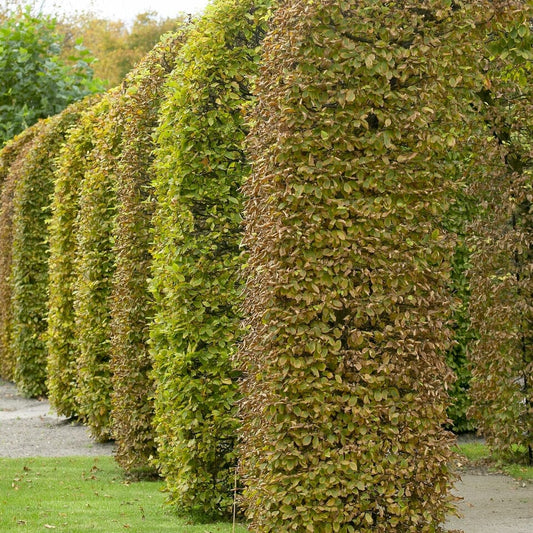
£6Sale price From £3Beech Hedging | Fagus sylvatica
Award winning native hedge
- Green-golden leaves turn a rich copper in autumn
- Leaves stay in place over winter
- Fast growth rate - 30-60cm per year
- Grows up to 5m or keep trimmed at 1-5m
5 options available
-
Regular price From £3Regular price
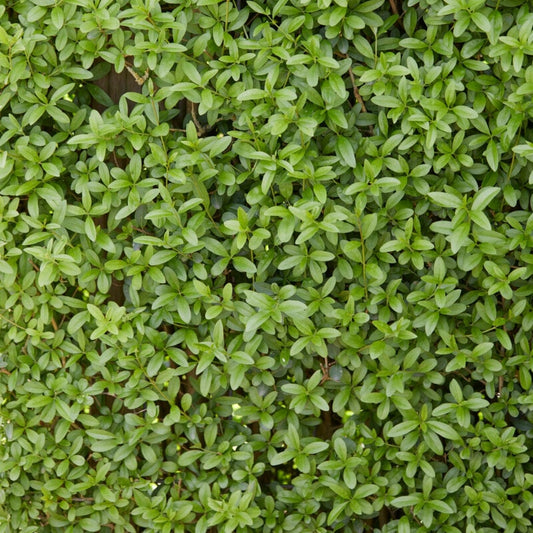
£4Sale price From £3Common Privet Hedging | Ligustrum ovalifolium
The perfect hedge for privacy
- Dense green leaves and summer blooms
- RHS Plant for Pollinators
- Average growth rate - 20-40cm per year
- Grows up to 5m or keep trimmed at 1-5m
2 options available
-
Regular price £4Regular price
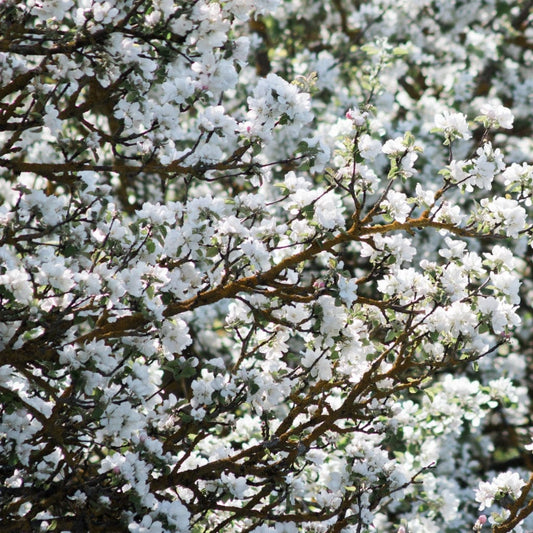
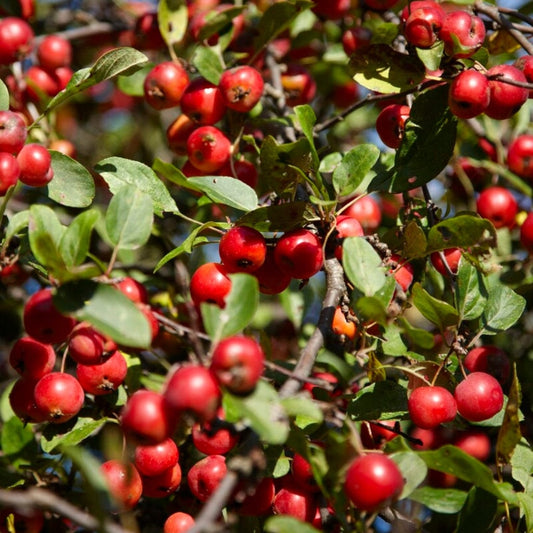
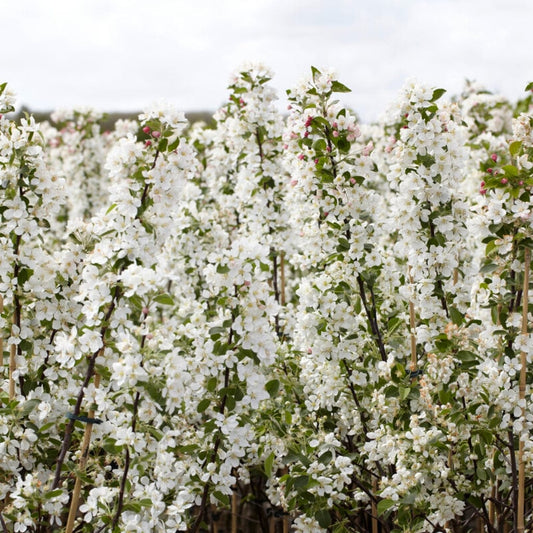
£5Sale price £4European Crabapple Hedging | Malus sylvestris
Year-round wildlife haven
- Pink blossom, edible fruit and autumn colour
- Supports over 90 species of birds and insects
- Average growth rate - 20-40cm per year
- Grows up to 5m or keep trimmed at 1-5m
1 option available
-
Regular price £4Regular price
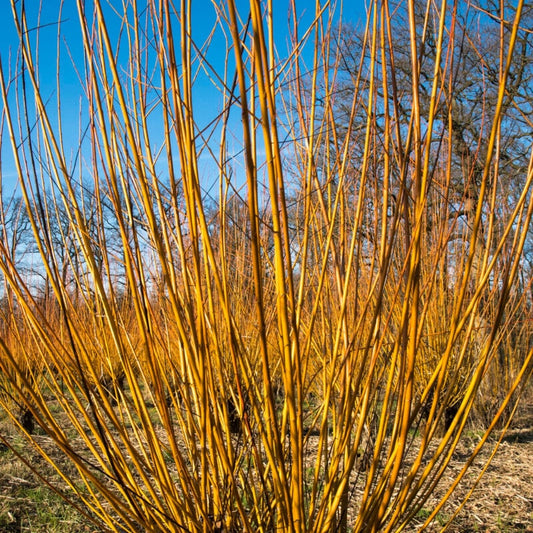
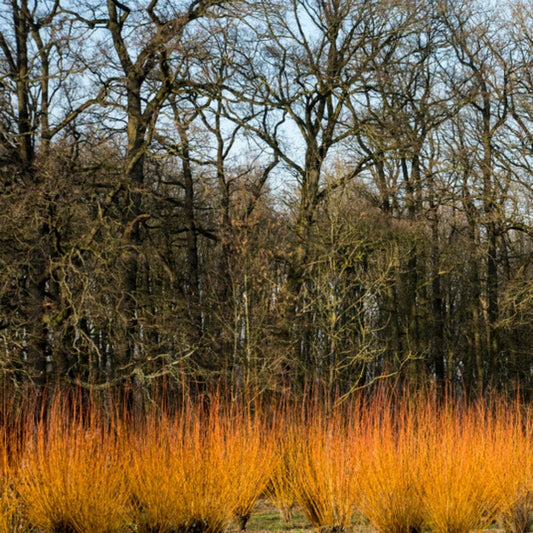
£6Sale price £4Scarlet Willow Hedging | Salix alba 'Chermesina'
Fiery colour to light the garden
- Waxy orange, yellow and red stems
- Pollen-rich catkins in spring for bees
- Average growth rate - 20-40cm per year
- Grows up to 4m or keep trimmed at 1-4m
1 option available
-
Regular price £4Regular price
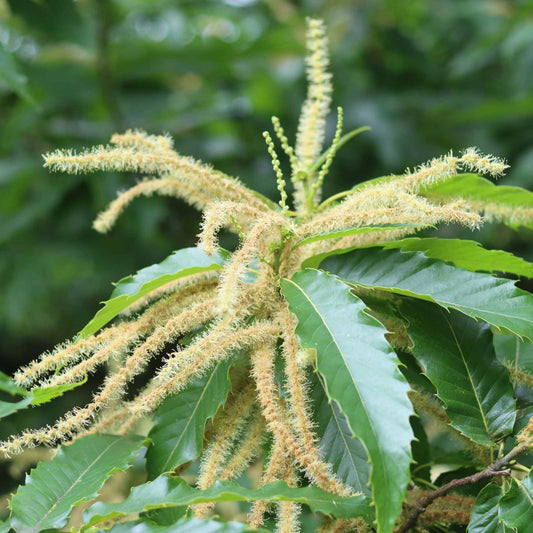
£8Sale price £4Sweet Chestnut Hedging | Castanea sativa
Beautiful and productive native
- Spring catkins and sweet edible chestnuts
- Enormous value to native wildlife
- Average growth rate - 20-40cm per year
- Grows up to 12m or keep trimmed at 1-5m
1 option available
-
Regular price From £5Regular price
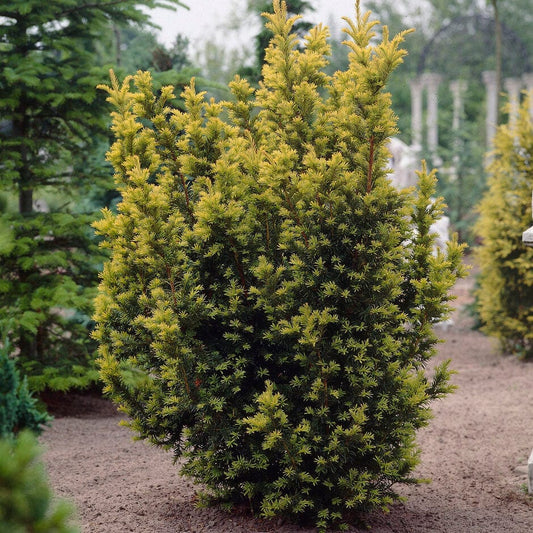
£10Sale price From £5English Yew | Taxus baccata
The UK's favourite conifer
- Bushy, evergreen tree
- Large tree - grows up to 12m
- Vibrant evergreen foliage with red fruits
- RHS Award of Garden Merit winner
2 options available
-
Regular price From £3Regular price
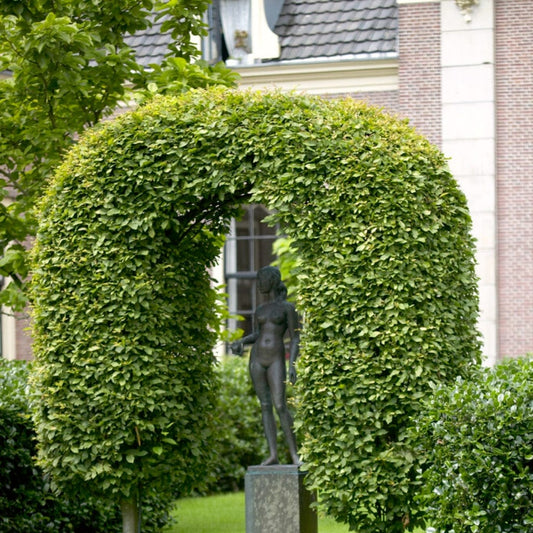
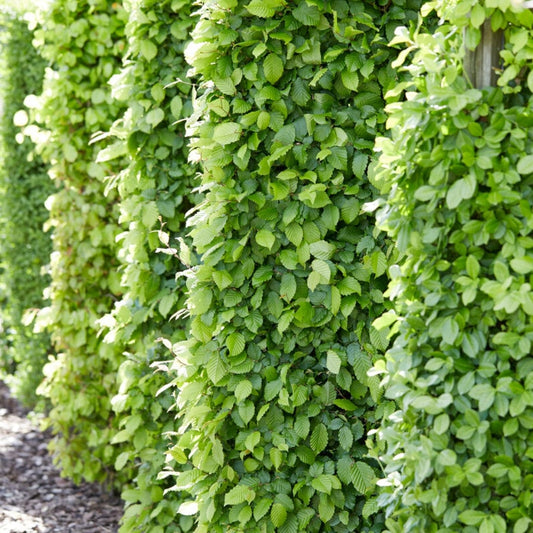
£4Sale price From £3Common Hornbeam Hedging | Carpinus betulus
UK native loved by birds
- Spring catkins and autumn colour
- RHS Award of Garden Merit winner
- Average growth rate - 20-40cm per year
- Grows up to 8m or keep trimmed at 1-5m
4 options available
-
Regular price From £3Regular price
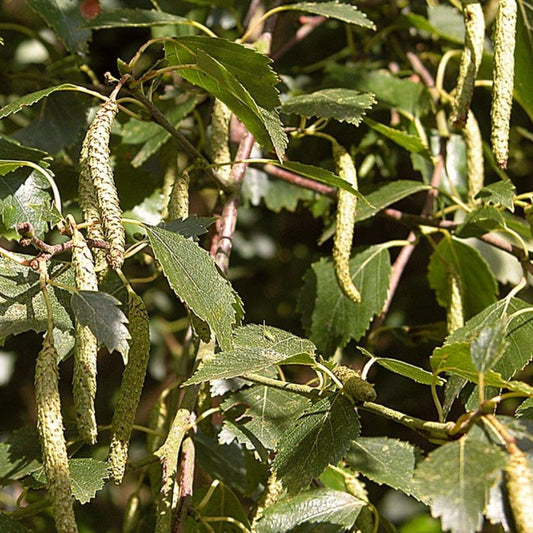
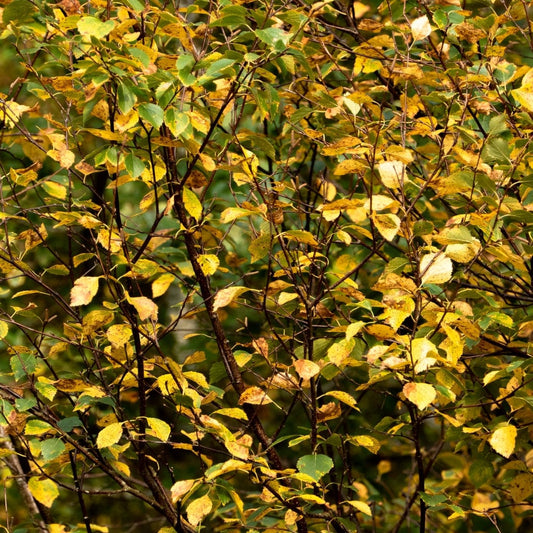
£4Sale price From £3Silver Birch Hedging | Betula pendula
Reliable year-round classic
- Elegant bark, spring catkins & autumn tones
- UK native invaluable for wildlife
- Average growth rate - 20-40cm per year
- Grows up to 12m or keep trimmed at 1-5m
3 options available
-
Regular price £4Regular price
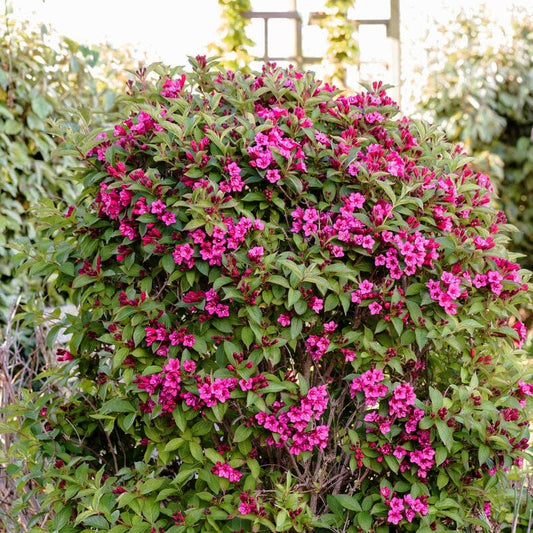
£8Sale price £4Weigela 'Bristol Ruby' Hedging
Easy to grow and floriferous
- Crimson bellflowers in summer
- RHS Plants for Pollinators
- Fast growth rate - 40-60cm per year
- Grows up to 2m or keep trimmed at 1-2m
1 option available
-
Regular price £4Regular price
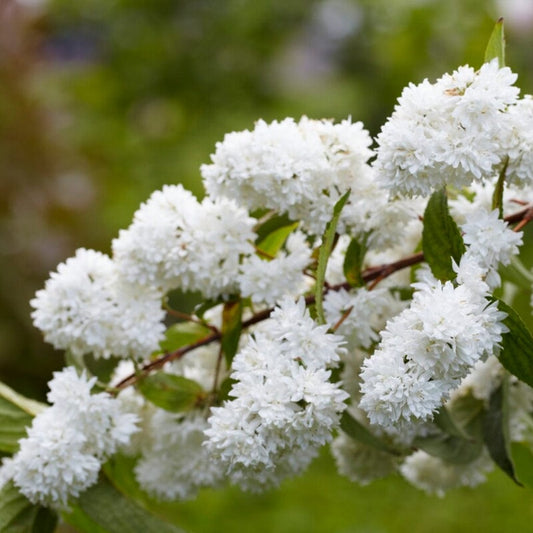
£7Sale price £4Deutzia scabra Hedging
Frangrant flowers for bees
- Honey-scented white blooms and peeling bark
- Excellent pest and disease resistance
- Slow growth rate - 10-15cm per year
- Grows up to 3m or keep trimmed at 1-3m
1 option available
























Roots' Cotswolds Valley Nursery
Meet Alice
Putting shrubs in the starlight (and boy do they shine…)
From tending Shakespeare’s gardens to nurturing citrus plants in National Trust orangeries, Alice has a wealth of knowledge and experience working at some of the very finest spaces. With a team of dedicated growers on hand to help, Alice utilises our industry-leading nursery (and the lovely, fertile conditions of the Cotswolds) to grow shrubs that aren’t just good-looking, they’re good-growing too.
Need help picking?

Which hedging plant should I pick?
If privacy is important to you, then planting a fast-growing evergreen like bamboo or privet will provide you with the quick results you’re looking for. If what you’re after more than anything else is big, bold colour, however, then photinia, forsythia and lavender are all great options, offering red, yellow and purplish-blue blooms respectively. Perhaps you’re looking to create a wilder, more unkempt haven for wildlife? Viburnum, hawthorn and blackberry plants provide a great starting point.

How do I plant my hedge?
You can plant your hedge either in a single row or a staggered double row if you want a fuller, bigger hedge. You can plant your hedge against a fence to help bolster its strength, as well as to improve its visual appeal. To mark out your hedge, use a garden line and ensure you’ve left an appropriate amount of space – check out our article, How to Plant a Hedge for detailed information on spacings. Typically arriving as bare root plants, your hedge is best planted during the dormant season, between autumn and late winter. Potted hedge plants can be planted at any time but avoid planting when the ground is baked dry, waterlogged or frozen. Once planted, give your hedge line a good watering all the way along.

Caring for your hedge
Hedges are generally nice and easy to care for. Keep your hedge well-watered when establishing, and then again during any hot, dry spells. Most hedges require an annual trim to keep them happy, healthy and tidy. It’s vital, however, that you ensure no birds are nesting within your hedge when you trim it (it’s illegal to do so, in fact). Once trimmed, you can apply some general fertiliser and mulch around the hedge’s base with some well-rotted manure or organic compost.
Plants arrived in great condition and very promptly. Well established - much better than the ones I got at my local garden centre.
Monica Spence
| 24 May
Yet again this company delivered good healthy plants, exactly as shown in photos, well packaged and within delivery time quoted. Recommend!
Jacqueline Burgess
| 2 Jun
I continue to be so impressed with Roots. Their customer care, knowledge of their subject: from planting hedges to pruning roses and more, has been a great support.
Judy Lane
| 23 Oct
The plant arrived looking vigorously healthy, which brings a smile to your face, extremely well protected in its packaging.
Martyn Hill
| 5 Jul
As a non-gardener, I found my whole experience brilliant. Great information & advice available on the website, great range of products & prices are brilliant.
John-Paul
| 22 May

Wonderful plants and great customer service... really surprised to find that the plants are better than those you would get at your local garden centre.
Gavin Wilcock
| 8 Nov
Fighting plastic waste
Delivering fresh from the nursery
Supporting UK growers